
Choose a Black Elegant Gown for a Formal Evening
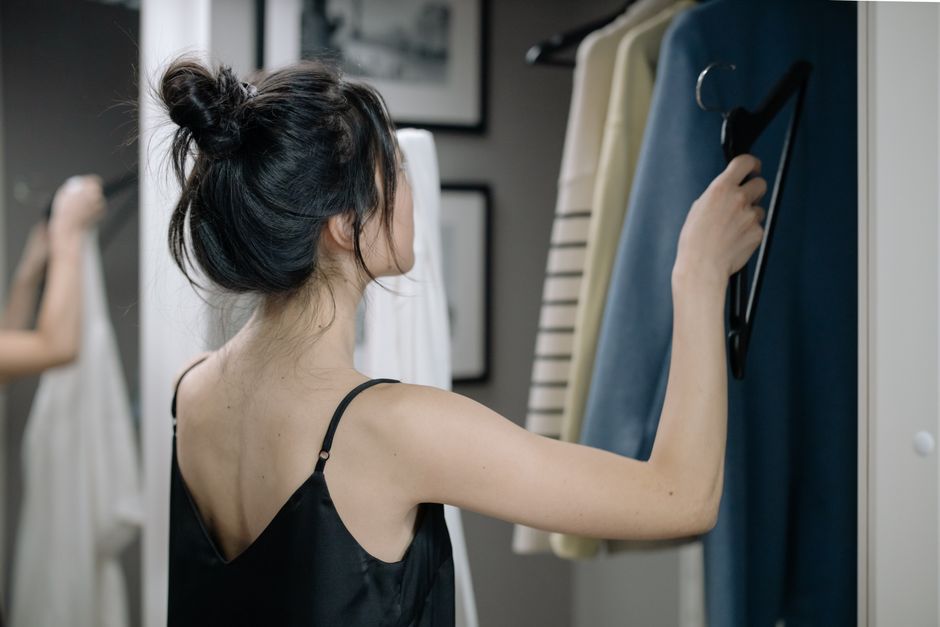
A black elegant gown works for a formal evening when its length and finish suit the invitation and its fit lets you sit, walk, and move with ease. For black tie, a floor-length gown is a reliable choice; for black tie optional or a less formal dinner, a shorter dress can fit. Black alone does not create formality: fabric, proportion, fit, and comfort all matter.
What makes a black gown look elegant rather than plain?
A black gown looks elegant when its shape, fabric, and finish suit the event rather than relying on color alone. Debrett’s notes that black is not required for black tie and that wearing black does not ensure the right level of formality. The dress should read as evening wear through its cut and material.
Start with the invitation. Black tie signals a more formal evening than business attire, and Emily Post lists a formal floor-length evening gown, a dressy cocktail dress, or the dressiest little black dress among women’s options. Black tie optional gives you more room to choose a shorter cocktail dress or dressy separates.
Keep the design useful beyond one night. A clean neckline, a shape that works with more than one shoe, and a fabric suited to evening wear make the gown easier to restyle. The point is not to strip away detail; it is to choose detail that does not lock the dress to one narrow setting.
Formality also has a practical side. Debrett’s cautions that a voluminous gown can be awkward at a seated dinner, while a very tight or dramatically split dress can become uncomfortable across a reception and meal. The best-looking choice is one you can wear through the event.
Is a floor-length black gown appropriate for a black-tie event?
Yes. A floor-length black gown is appropriate for black tie, and it is the safest assumption when the invitation or host’s expectations are unclear.
Emily Post names a formal floor-length evening gown as an option for women at black-tie events. Vogue likewise says that black tie for women generally means a long dress and advises checking the invitation or asking the host when the formality is uncertain. A relaxed host may accept a cocktail dress, but the floor-length option carries less risk when the dress code is strict.
Gala and formal-dinner invitations do not always use identical expectations. Debrett’s describes black tie as common formal evening wear for dinners, parties, and balls; it says long or at least not very short evening dresses are usually best, while a knee-length cocktail dress can suit a less formal event. Read the exact wording before treating every evening event as black tie.
Use the dress code to set a range, then choose within it. A long gown makes sense for black tie; a knee-length dress can suit a less formal dinner. When the invitation is vague, Vogue recommends asking the host rather than guessing from the venue or the word “gala.”
Which silhouette should I choose for a black elegant gown?
Choose a silhouette that matches the event and remains comfortable when you sit, walk, and eat. The sources do not compare named gown shapes against body types, so no single silhouette can be prescribed from the available evidence.
Instead, use movement as the test. Debrett’s warns that excessive volume can be impractical at a seated dinner, while a tight fit or dramatic split can restrict comfort during a reception and meal. Try the actions the event requires: sit down, take several steps, and move your arms. A gown that holds its shape through those movements is more wearable than one that works only while standing still.
For online sizing, measure before choosing a size. New Mexico State University Cooperative Extension identifies bust, natural waist, fullest hip, back-waist length, and height as useful measurements for selecting pattern size and type. Its guide says accurate measurements are essential and recommends comparing them with the relevant size chart rather than trusting a label alone.
Check support and construction in the product details. Look for information about straps and the bodice, then confirm the gown stays secure as you move. The Knot notes that strap adjustments can improve gown security. If the seller does not publish measurements or support details, those specifics remain unknown; do not assume the labeled size answers them.
What fabric looks best in a black evening gown and in photos?
The best fabric depends on the event and the lighting: evening-appropriate choices include silk, crepe, chiffon, velvet, and lace, while a shiny surface can show changing highlights in photographs.
Debrett’s lists silk, crepe, and chiffon as appropriate evening fabrics. Vogue recommends velvet, chiffon, silk, or lace for black tie. These sources establish suitable options, not a universal ranking. Choose according to the gown’s intended formality and the feel of its surface.
Photographs add another variable. Research by Piti Irawan and Steve Marschner at Cornell studies how woven fabrics differ in reflectance and texture. The researchers explain that cloth appearance changes with viewing and illumination angles. Applied to a shiny satin gown, that means highlights can shift as the light or camera angle changes; the surface may look different across images.
Crepe and chiffon are among the evening fabrics named by Debrett’s, while Vogue includes velvet and lace. The sources do not provide side-by-side photo tests for these materials, so assess the actual gown rather than assuming every fabric of one type photographs alike. If photos matter, seek product images in more than one lighting condition when available, and remember that the research supports angle-dependent appearance, not a promise about a specific dress.
Options at a glance
| Option | Who it suits | Cost | Key limitation |
|---|---|---|---|
| Floor-length formal evening gown | Black-tie events; a safe choice when host expectations are unclear | not published | Volume can be impractical at a seated dinner |
| Dressy cocktail dress | Black tie optional or a less formal event | not published | A knee-length style may be less suitable for strict black tie |
| Silk, crepe, or chiffon evening dress | Formal evening wear | not published | Specific photo performance is not published |
| Velvet, chiffon, silk, or lace gown | Black-tie evening wear | not published | Specific photo performance is not published |
Alterations and repeat wear
Build alteration time into the purchase. The Knot reports wedding dress alterations usually take 6–8 weeks, with timing depending on the work and the seamstress’s schedule. Its expert recommends arranging the first fitting consultation about 2–3 months before the event. These figures refer to wedding dresses, so ask the person altering your formal gown for a schedule that fits its construction.
A hem is more than a finishing touch: The Knot notes that hemming helps prevent tripping. Strap adjustments can improve security as well. For repeat wear, keep the gown’s design adaptable and change the shoes or accessories to suit another occasion. The provided sources do not rank specific accessories, so treat those choices as personal styling rather than fixed dress-code rules.
Frequently Asked Questions
How do I choose the right gown length for my height and heels?
Use your height and the shoes you plan to wear to assess the hem, then check that the gown does not drag or catch when you walk. The Knot notes that hemming helps prevent tripping. The sources do not provide a height-to-hem formula, so confirm the finished length at a fitting.
What should I check for fit and support before buying a gown online?
Compare your bust, natural waist, fullest hip, back-waist length, and height with the seller’s size chart; New Mexico State University Cooperative Extension advises using accurate measurements rather than a size label alone. Check the garment’s stated support and strap details, and confirm you can sit, walk, and raise your arms comfortably.
How much time should I allow for alterations to a formal gown?
The Knot reports that wedding dress alterations usually take 6–8 weeks, depending on complexity and the seamstress’s schedule. Its expert recommends arranging the first fitting consultation about 2–3 months before the event. Those figures concern wedding dresses, so confirm timing with the tailor handling your gown.
What shoes and accessories make a black gown feel event-ready?
Choose shoes that work with the gown’s finished hem and allow you to walk and stand comfortably. The sources do not specify accessory or shoe pairings, so use the invitation’s formality as your guide and avoid adding details that make sitting or movement difficult.
Sources

How Do I Choose the Right PhD Program and Advisor?
Compare research fit, advisor support, funding security, and student outcomes to build a PhD shortlist that holds up beyond prestige.

Best Basement Flooring: Choose the Right Option for Moisture
Compare basement flooring options by moisture tolerance, installation conditions, and room use—starting with concrete slab testing.

What Vitamins Should I Take If I Have Osteopenia?
A practical, evidence-based guide to calcium, vitamin D, and K2 decisions for adults with osteopenia.
Should I Take AREDS2 Eye Vitamins for Drusen or AMD?
A practical guide to who may benefit from AREDS2, what the formula does, and what to discuss with an eye clinician.